
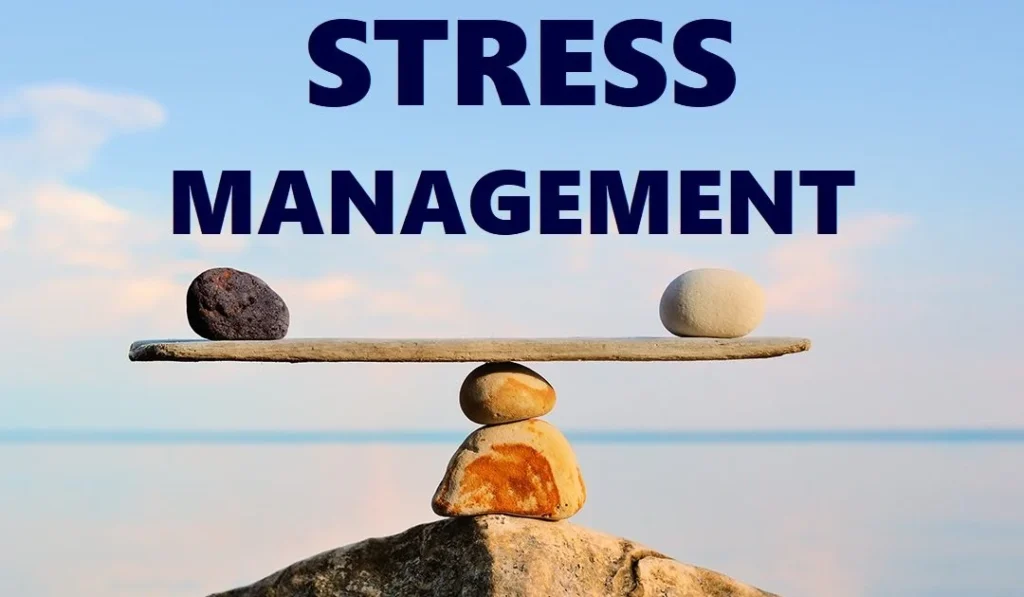
In today’s modern world, life moves at a rapid pace. With demanding jobs, constant connectivity, academic pressure, and personal responsibilities, stress has become an unavoidable part of everyday living. Although some degree of stress may encourage and challenge people to work better, too much and uncontrolled stress may have grave consequences either physically or psychologically.
Learning how to deal with stress the right way is key to a balanced and healthy lifestyle.
Understanding Stress
Stress is the body’s natural response to challenging or demanding situations. Under pressure, the body releases some hormones such as cortisol and adrenaline, which are ready to react swiftly. Such a fight or flight reaction does not last long, though when stress becomes chronic, it may result in exhaustion, anxiety, sleeping disorders, and other health problems.
Common symptoms of stress are headache, irritability, loss of concentration, tense muscles, loss of appetite, and a sense of being overwhelmed.
Causes of Stress in Modern Life.
Several factors contribute to stress in today’s fast-paced environment:
- Work deadlines and job pressure
- Financial concerns
- Academic expectations
- Lack of work-life balance
- Social media comparison
- Relationship challenges
- Health issues
Effective Ways to Manage Stress
1. Practice Mindfulness and Meditation
Being mindful lessens overthinking and helps you stay in the now. Even ten to fifteen minutes a day of meditation can help reduce anxiety, enhance focus, and relax the mind.
2. Maintain a Healthy Lifestyle
A healthy body supports a healthy mind. Eating a balanced diet, staying hydrated, and getting regular exercise can significantly reduce stress levels. Endorphins are natural mood boosters that are released through bodily exercise.
3. Get Enough Sleep
A regular sleep pattern and no screens before sleep can positively influence the quality of sleep.
4. Manage Your Time Effectively
Unnecessary stress is frequently the result of poor time management. You may stay organized and lessen last-minute stress by prioritizing chores, making a daily routine, and establishing reasonable goals.
5. Take Breaks and Rest
Burnout can result from working nonstop without pauses. Taking quick breaks during work hours can help you think more clearly and be more productive. It’s equally necessary to take time off to unwind or engage in hobbies.
6. Stay Connected with Loved Ones
Speaking with loved ones might make you feel understood and offer emotional support. Social ties can serve as a powerful stress reliever and are crucial for mental health.
7. Limit Screen Time and Social Media Use
Overuse of social media and digital devices can exacerbate stress and anxiety. Mental health can be adversely affected by knowledge overload and constant comparison. Establishing limits on screen usage might be quite beneficial.
8. Practice Relaxation Techniques
Activities like yoga, deep breathing, listening to music, or reading can help calm the mind. Engaging in hobbies that you enjoy is a great way to relieve stress.
9. Stay Positive and Practice Gratitude
Stress levels can be considerably lowered with an optimistic outlook. By concentrating on the positive aspects of life, you can develop emotional resilience and divert your attention from anxieties.
10. Seek Professional Help When Needed
Seeking assistance from a medical expert or counselor is crucial if stress becomes unbearable and begins to interfere with your day-to-day activities. Effective coping mechanisms and assistance can be obtained through professional guidance.
Stress is a natural part of life, but it should not control your life. By adopting healthy habits, maintaining balance, and practicing self-care, you can manage stress effectively and lead a healthier and happier life. Small and consistent efforts can make a big difference in how you handle life’s challenges.
Maintaining your mental well-being is equally as vital as maintaining your physical well-being since a peaceful mind promotes a robust and satisfying life.