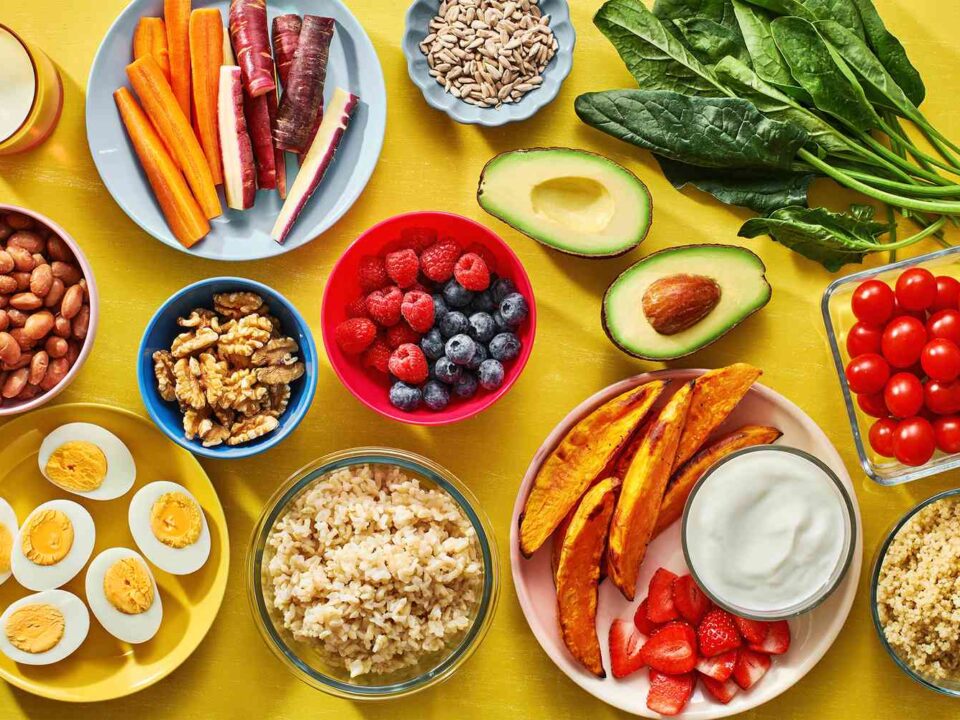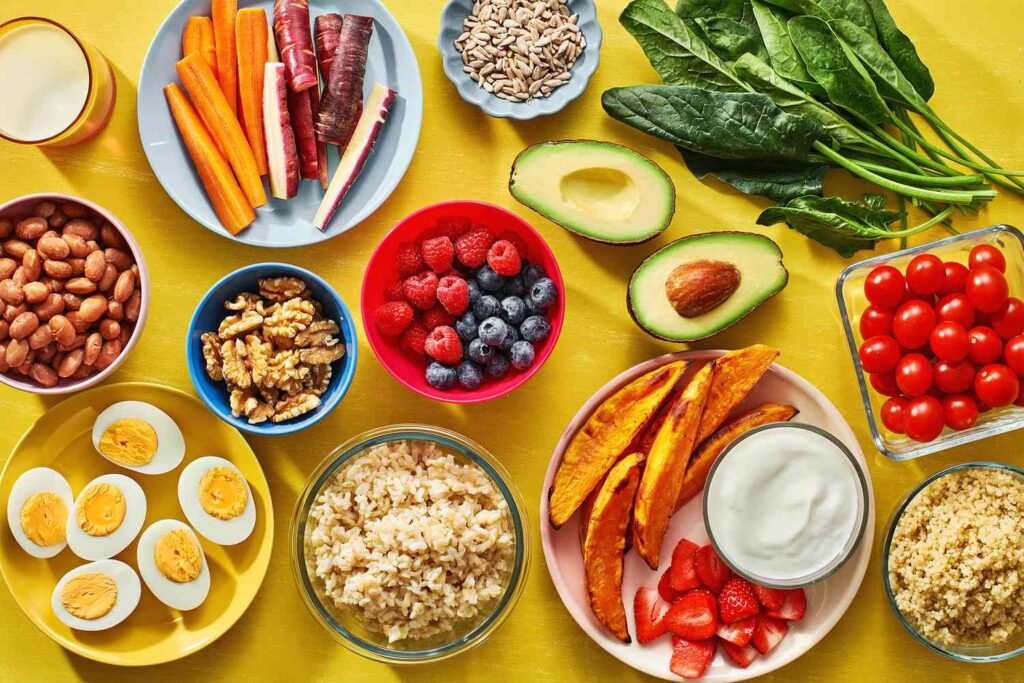

Rheumatoid arthritis (RA) is an autoimmune illness that leads to inflammation, joint pain, stiffness, and fatigue. While appropriate medical treatment is essential in managing RA, diet plays an important adjunctive role in the management of the disease, pain, and the quality of life. Eating the right foods and not the wrong ones can enable individuals with RA to control the symptoms better and contribute to healthy, long-term joints.
How Diet Affects Rheumatoid Arthritis?
RA inflammation is the process in which the immune system targets normal joint tissue. An anti-inflammatory diet helps in reducing inflammatory parameters in the body, promotes immune system functionality, and decreases joint stiffness and flare-ups. No diet can cure RA; however, clever food selection can help you live much more comfortably.
Best Foods to Eat for Rheumatoid Arthritis
1. Fatty Fish
Omega-3s have been shown to have anti-inflammatory properties and reduce joint pain and morning stiffness in patients with RA. Intend to take fatty fish at least once a week.
2. Leafy Green Vegetables
Spinach, kale, Swiss chard, broccoli, or other veggies are loaded with antioxidants, vitamins, and minerals and help keep your joints from breaking down.
3. Berries
Anthocyanins, which contribute to the antioxidant capacity of blueberries, strawberries, raspberries, and blackberries, reduce inflammatory and oxidative stress.
4. Whole Grains
Brown rice, oats, quinoa, and whole wheat are also whole grains that contain high amounts of fiber, which reduces the levels of C-reactive protein (CRP), which is a sign of inflammation.
5. Nuts and Seeds
Almonds, flaxseeds, chia seeds, and walnuts are good sources of healthy fats, protein, and magnesium. Flaxseeds and Walnuts are rich sources of omega-3 fatty acids and would be a perfect choice to combat RA inflammation.
6. Olive Oil
Oleocanthal in extra virgin olive oil is a natural compound having anti-inflammatory properties comparable to those of non-steroidal anti-inflammatory drugs (NSAIDs). Substitute the main cooking fat in your kitchen with olive oil for a potential benefit to your joints and heart.
7. Turmeric and Ginger
These spices are centuries old and are therefore used in medicine. Turmeric (curcumin) and ginger (gingerols) may be consumed as a regular drink to help fight inflammation and occasionally relieve joint pain.
Foods to Avoid or Limit with Rheumatoid Arthritis
1. Processed and Fried Foods
Trans fats and refined oils are found in fast foods, packaged snacks, and fried foods that increase inflammation and contribute to weight gain, adding strain to joints.
2. Sugary Foods and Beverages
Excess sugar promotes inflammation and can worsen RA symptoms. Consumption of sugar drinks, desserts, sweets, and pastries should be reduced to avoid flare-ups and maintain a normal weight.
3. Red and Processed Meats
Saturated fats and end products of advanced glycation (AGE) are abundant in red meats and processed meats like sausages and bacon that cause the body to engorge.
4. Refined Carbohydrates
White bread, white rice, and refined pasta can all raise blood sugar levels and promote inflammation. These types of foods may exacerbate tiredness and joint discomfort in people living with RA.
5. Excess Alcohol
Though limited amounts of alcohol might be permissible to certain individuals, alcohol in large quantities might result in inflammation and a lack of RA meds.
6. High-Salt Foods
Eating out or ready-made meals such as packaged soups, chips, and ready meals are high in sodium, allowing it to intensify inflammation and add to swelling of joints.
Lifestyle Tips to Support a Pain-Free Life
- Maintain a healthy weight to reduce pressure on joints
- Stay hydrated to help moisten joints
- Combine an anti-inflammatory diet with regular low-impact exercise
- Keep a food diary to identify your personal triggers
- Intake changes and dietary changes should be followed
Treatment of rheumatoid arthritis requires a thorough approach, and diet is an effective means of reducing inflammation and pain to enhance comfort in everyday life. By concentrating on whole, nutrient-dense, anti-inflammatory foods and avoiding known food triggers, RA patients are likely to have fewer flare-ups, an increase in their mobility, and overall well-being. The difference between a more painful and active life may be a small modification in the eating habits.